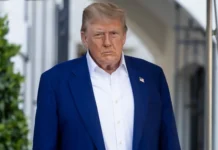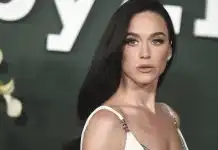

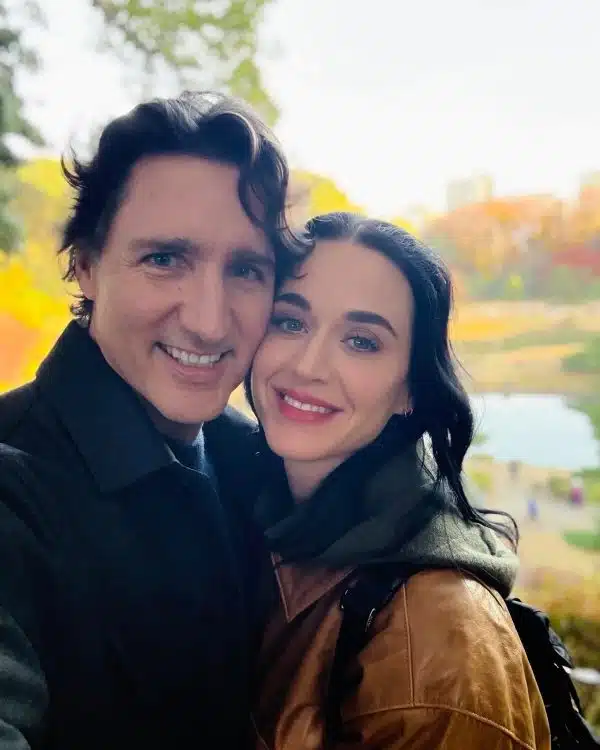
Katy Perry has publicly torn into the Trump administration after her 2010 hit “Firework” was used as the backing track for a White House TikTok video showing U.S. military strikes on Iran.
The official White House TikTok account posted the clip on Thursday, timing the song’s “boom, boom, boom” refrain to footage of missiles striking Iranian targets, including a naval ship. The caption read “Iran has been warned,” accompanied by a fireworks emoji.
The video has garnered over 6 million views and 616,000 likes since it went up. It landed as CENTCOM confirmed it had carried out strikes against Iran for the 13th consecutive night amid the escalating conflict.
facebook
Perry responded on X on Saturday, and she did not soften the message. “I am deeply appalled and angry to see ‘Firework’ used on the @WhiteHouse TikTok account as a backing track for video footage of military strikes.
I did not approve this, I was not asked, and I absolutely do not condone it,” she wrote. She went further, explaining exactly why the pairing felt like such a betrayal of the song’s original intent.
“I wrote this song to be an anthem of hope, healing, and inner strength for people going through their darkest personal moments,” she continued, before delivering the sharpest line of the statement: “To see a message of self-worth and upliftment weaponized to soundtrack destruction and violence is a complete violation of everything my song stands for. My music is for bringing people together, not celebrating warfare.”
Perry isn’t the first artist to find herself in this position, and she likely won’t be the last. She joins a growing list of musicians who have objected to the Trump administration’s use of their music in political content, including Ariana Grande, Sabrina Carpenter, Olivia Rodrigo, Celine Dion, and Kenny Loggins.
The pattern repeats itself with almost mechanical consistency: a song gets pulled for its recognisability and emotional pull, the artist objects publicly, and the administration typically leaves the content up regardless.
Kesha went through a nearly identical situation in March, condemning the White House for using her song “Blow” in a TikTok clip featuring fighter jets captioned “Lethality,” writing at the time that the video appeared to incite violence and threaten war.
As of the time of writing, the White House had not taken the TikTok down and had not responded to Perry’s statement. The reaction beneath her post split along predictable lines. Supporters called the pairing tasteless and accused the administration of trivializing a war that has real casualties.
Critics pointed to Perry’s 2023 decision to sell the rights to her master recordings and publishing for a reported $225 million, arguing the financial technicality undercuts her objection, even though the sale of catalogue rights and the question of consent for political use are, legally and ethically, two separate issues.
Deadline
Whatever side of that argument people land on, the underlying tension isn’t going away. As political messaging increasingly leans on recognizable pop songs to carry emotional weight online, more artists are likely to find their work repurposed in ways they never signed off on, and the fight over control of that meaning is only getting louder.