
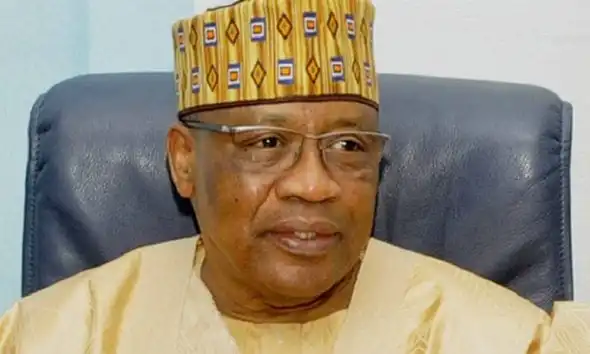
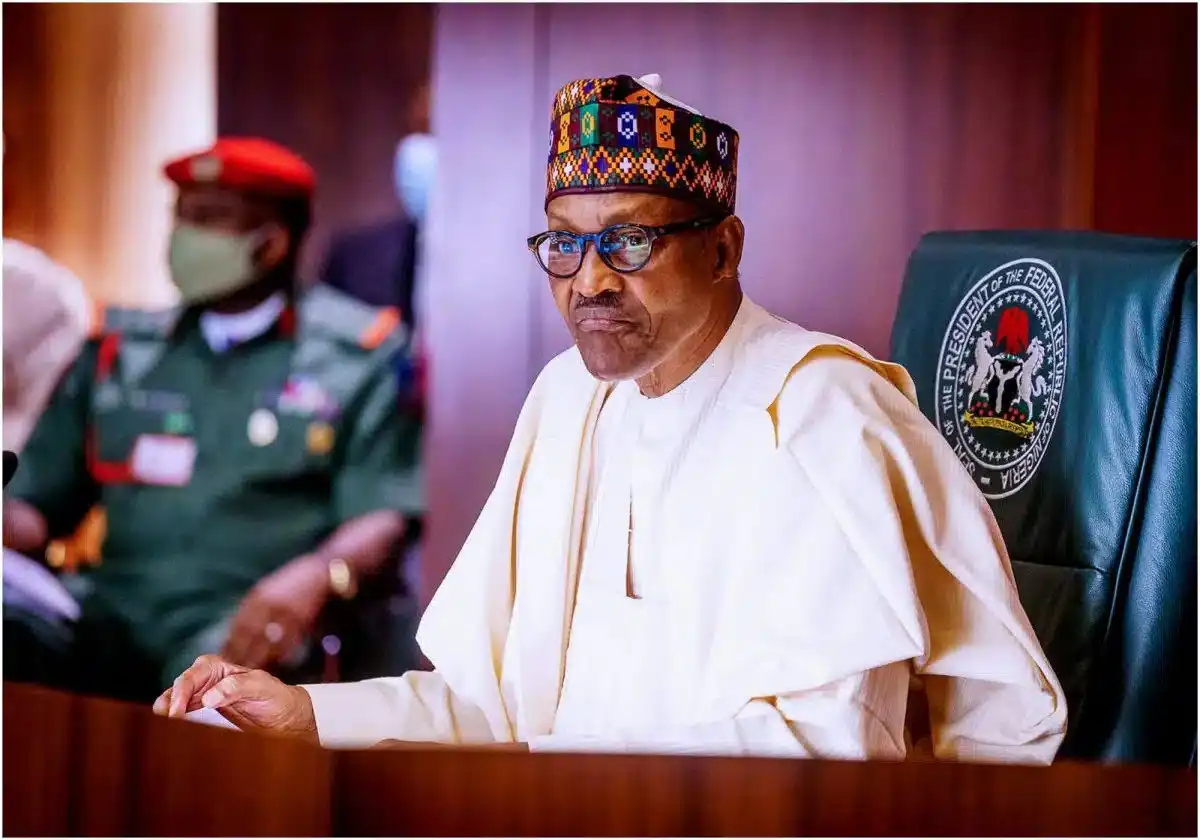
In his autobiography, A Journey In Service, launched in Abuja on Thursday, former military head of state Ibrahim Badamasi Babangida (IBB) disclosed that he engineered the overthrow of Muhammadu Buhari’s regime because he believed the policies implemented were detrimental to the nation’s advancement.
IBB, who initially served as Chief of Army Staff under Buhari following the overthrow of Shehu Shagari’s civilian government on December 31, 1983, outlined his involvement in the 1985 coup in great detail.
Expressing dissatisfaction with Buhari’s governance, which he deemed authoritarian, IBB explained how tensions had been brewing for months leading up to the coup. He recalled his journey from Minna to Lagos on August 27, 1985, to take control, emphasizing that a change in leadership was unavoidable given the circumstances at that time.
He said, “On that day, it became my lot to step into the saddle of national leadership on behalf of the Nigerian armed forces. The change in leadership had become necessary as a response to the worsening mood of the nation and growing concern about our future as a people. All through the previous day, as we flew from Minna and drove through Lagos towards Bonny Camp, I was deeply reflecting on how we as a nation got to this point and how and why I found myself at this juncture of fate.
“By the beginning of 1985, the citizenry had become apprehensive about the future of our country. The atmosphere was precarious and fraught with ominous signs of clear and present danger. It was clear to the more discerning leadership of the armed forces that our initial rescue mission of 1983 had largely miscarried. We now stood the risk of having the armed forces split down the line because our rescue mission had largely derailed. If the armed forces imploded, the nation would go with it, and the end was just too frightening to contemplate.
“Divisions of opinion within the armed forces had come to replace the unanimity of purpose that informed the December 1983 change of government. In state affairs, the armed forces, as the only remaining institution of national cohesion, were becoming torn into factions; something needed to be done lest we lose the nation itself. My greatest fear was that division of opinion and views within the armed forces could lead to factionalisation in the military. If allowed to continue and gain root, grave dangers lay ahead.”